In industrial environments where data-processing demands are becoming increasingly stringent, data-copying devices based on traditional PC (CPU) architectures are gradually revealing their performance bottlenecks. After more than 30 years of R&D accumulation, UReach’s copy machines have consistently adopted the FPGA (Field-Programmable Gate Array) architecture as their core, thereby establishing an industrial-grade data-replication solution that is fundamentally different from conventional PC-based architectures. This article will reveal the overwhelming advantages of the FPGA architecture in the field of data copying through a comparative analysis.
I,Technical Principle Analysis: The Fundamental Difference Between Hardware Logic and Software Instructions
To understand the advantages of FPGAs, we must first clarify the fundamental differences between their operating principles and those of traditional CPUs.
· PC (CPU) architecture: software instruction-driven
The traditional PC architecture is based on the von Neumann model and executes software instructions in a serial manner. As a general-purpose processor, the CPU offers high flexibility, yet its performance is constrained by operating-system scheduling, task queues, and resource contention. In data-copy scenarios, this means that data must pass through the operating-system layer and the file-system layer before reaching the hardware—resulting in a long path with unpredictable latency fluctuations.
· FPGA architecture: hardware logic-driven
An FPGA is a programmable hardware device whose core consists of configurable logic blocks (CLBs), memory units (BRAMs), and programmable routing resources. It “burns” a dedicated hardware circuit architecture directly through a hardware description language (HDL). Once configured, data processing is entirely performed by the physical circuitry, without going through an operating system, thus achieving true hardware-level parallel processing.
II,Comparison of the Four Core Dimensions: FPGA Architecture’s Comprehensive Leadership
Compared to the PC architecture, UReach’s copier’s FPGA architecture demonstrates significant advantages in four key areas: customization, reliability, operational efficiency, and security.
1. Highly Customizable and Protocol Compatibility
· Limitations of the PC architecture: Relying on generic interface chips and drivers makes it difficult to directly handle differences in underlying hardware protocols. When performing cross-interface replication (e.g., from SAS to SATA), additional adapter boards are often required, and compatibility issues are prone to arise.
· FPGA architecture advantages: It boasts extremely high programmability and flexibility.
o Native protocol support: The FPGA can directly define and parse various storage protocols such as SAS, SATA, PCIe, and M.2, enabling direct cross-interface replication without the need for adapter boards.
o Functionally reconfigurable: For specialized testing requirements in fields such as industrial and medical applications (e.g., H3/H5/H6 quality inspection), FPGAs can be reprogrammed at any time to add customized functional modules without the need to replace the hardware.
2. Low latencyWithHigh reliability
· Limitations of the PC architecture: The serial processing mechanism leads to task queuing and is susceptible to operating system interrupts, resulting in unstable latency. When dealing with disks containing bad sectors, the retry mechanism can easily cause stuttering or even system crashes, making it difficult to achieve precise low-level data verification.
· FPGA architecture advantages: It features deterministic execution and hardware-level parallel processing capabilities.
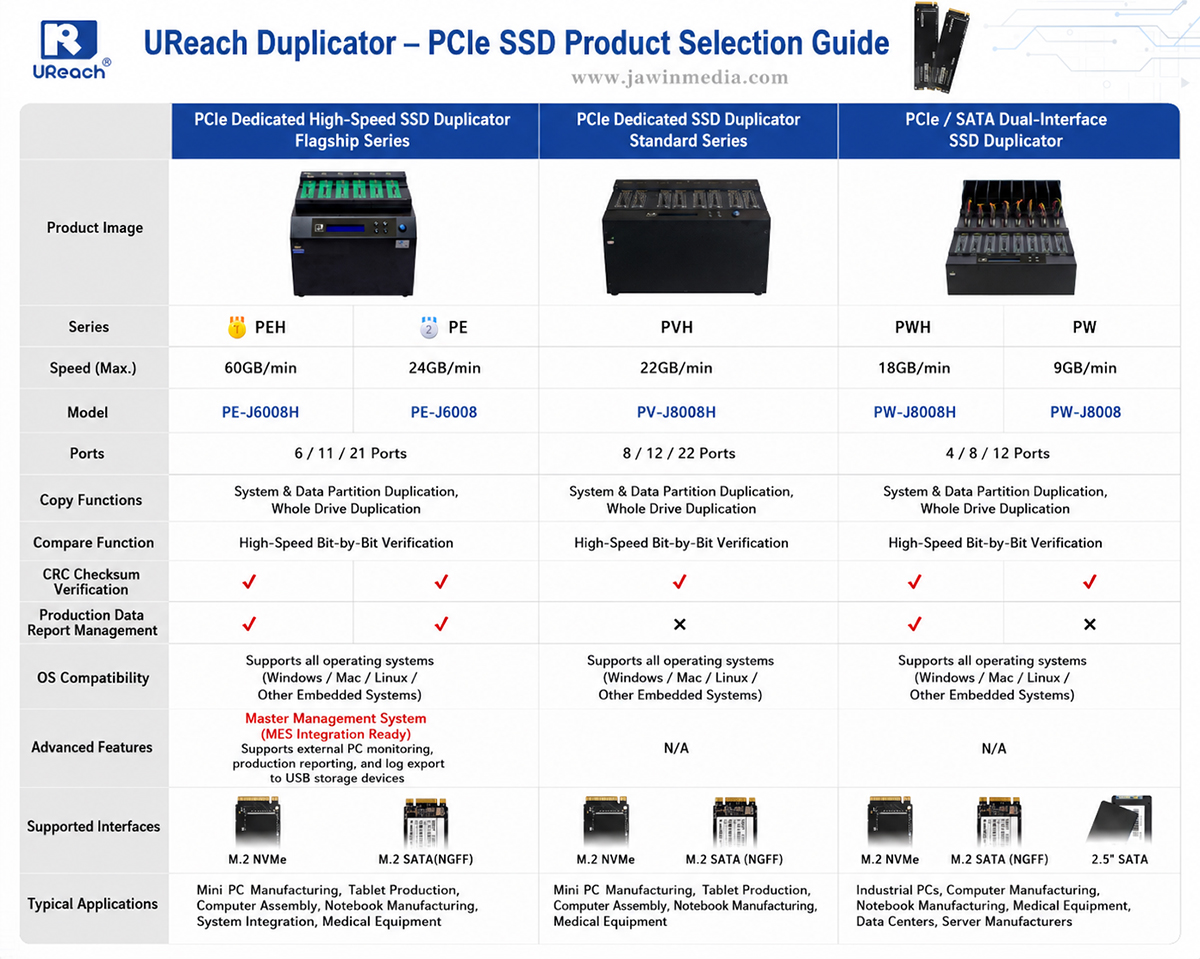
o Ultra-high-speed parallelism: FPGAs do not have task queues; each logic module operates independently. For example, when UReach’s PE-21001H implements “1-to-20” synchronous replication, each interface has its own dedicated channel, completely free from interference, achieving speeds of up to...60GB/minMeanwhile, PC-based devices must queue up when handling multiple tasks, taking dozens of times longer than FPGAs.
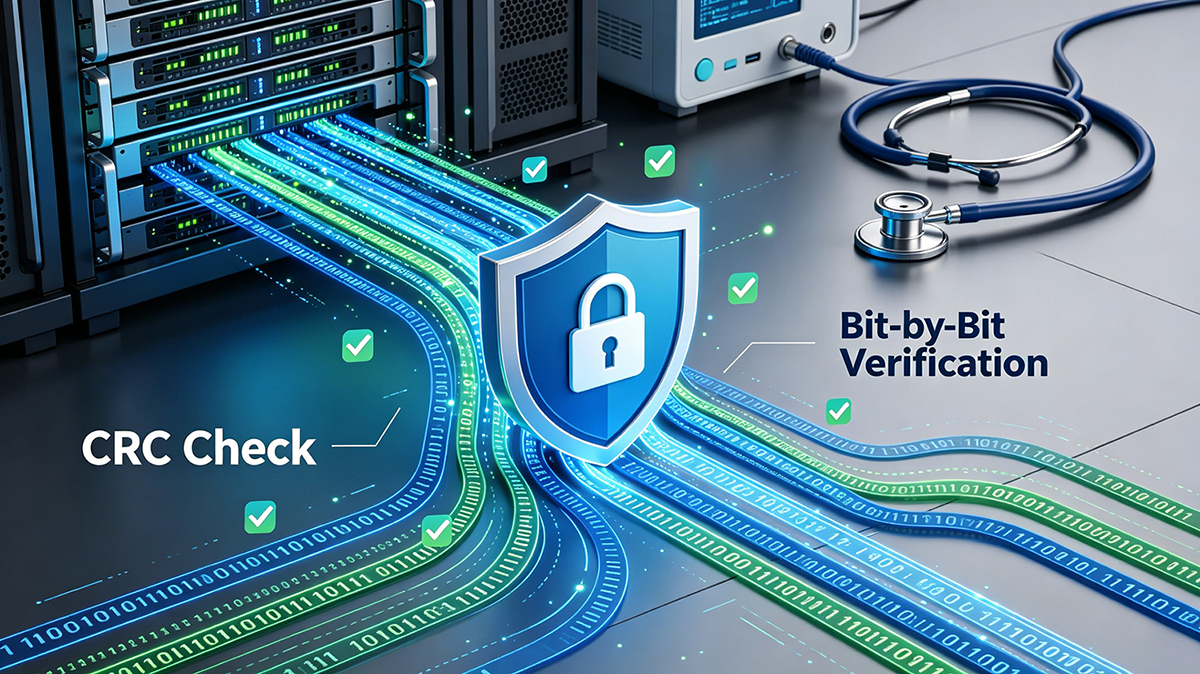
o Determinism and precision: The execution process is jitter-free, with latency stabilized at the nanosecond level. This makes “bit-to-bit” comparison and CRC64 hardware-level checksums possible, ensuring 100% data consistency.
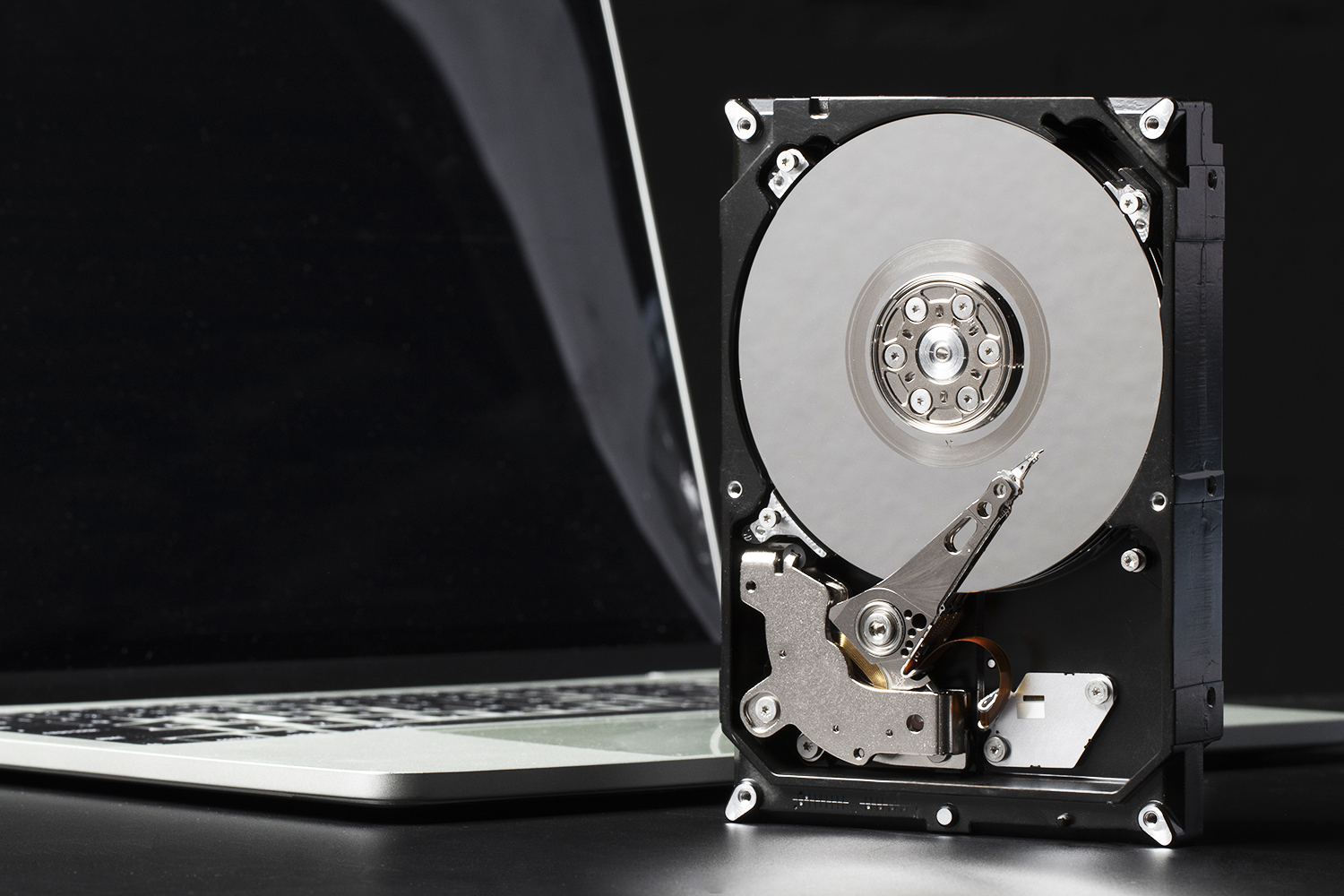
o Fault Tolerance and Repair: When encountering bad sectors on the source disk, the FPGA can hardware-levelly bypass the defective sectors and copy only the readable data, thereby ensuring the integrity of the backup—a level of stability that is difficult to achieve at the software level.
3. Efficient operationAnd stability
· PC architecture limitations: High power consumption puts significant thermal stress on the system, and prolonged operation can easily lead to frequency throttling or system failures due to overheating. Moreover, since PCs rely on software for operation, they require regular patch updates, which carry the risk of blue screens or system crashes. As a result, it’s challenging to support 24/7 uninterrupted production.
· FPGA architecture advantages: Hardware logic runs directly without the overhead of an operating system.
o Low power consumption and high energy efficiency: Compared to CPU architectures, FPGA architectures offer an energy efficiency ratio that is more than 30% higher. Combined with a metal enclosure for enhanced heat dissipation, they can easily handle prolonged operation under heavy workloads.
o Continuous operation capability: For example, the PV1200-H model can copy 11 NVMe hard drives at a time (based on system data approximately 30 GB in size), with an hourly throughput of up to around 480 drives. This level of stability is perfectly suited to the production rhythm of factories that operate around-the-clock shifts.
4. DataSecurity and Tamper-Resistance
· PCArchitectural limitations: Must be connected to computer operations, highly vulnerable to exploitation.USBOr the network may be infected with viruses. Operating system logs are easily tampered with by hackers or insiders, and it is difficult to implement physical-level write protection on the master disk.
· FPGAArchitectural Advantage: Operates independently on a single machine, creating a physically isolated and secure environment.
o No risk of poisoning: No need to connect to a computer.From the rootThe virus transmission pathway has been cut off.
o Tamper-proof design: Operation logs(Event Log)Stored directly in the device and cannot be tampered with.
o Physical read-only protection: The master disk interface is equipped with a hardware read-only lock, fundamentally eliminating the risk of damage to the master disk caused by accidental operations.
Three,Industry ApplicationsValue: A Practitioner of Industry Standards
Thanks to the aforementioned comparative advantages, the UReach FPGA copier has become the preferred choice in fields that place extremely high demands on data security and efficiency.
· In the industrial control field, in the backup of industrial robots and CNC machine tool systems, FPGA’s microsecond-level computation ensures the positioning accuracy of robot end-effectors (±0.01 mm)—a precision requirement that cannot be met by PC-based architectures.
· Medical and Defense: Direct copying in a computer-free environment ensures that patient privacy and military secrets remain confidential.
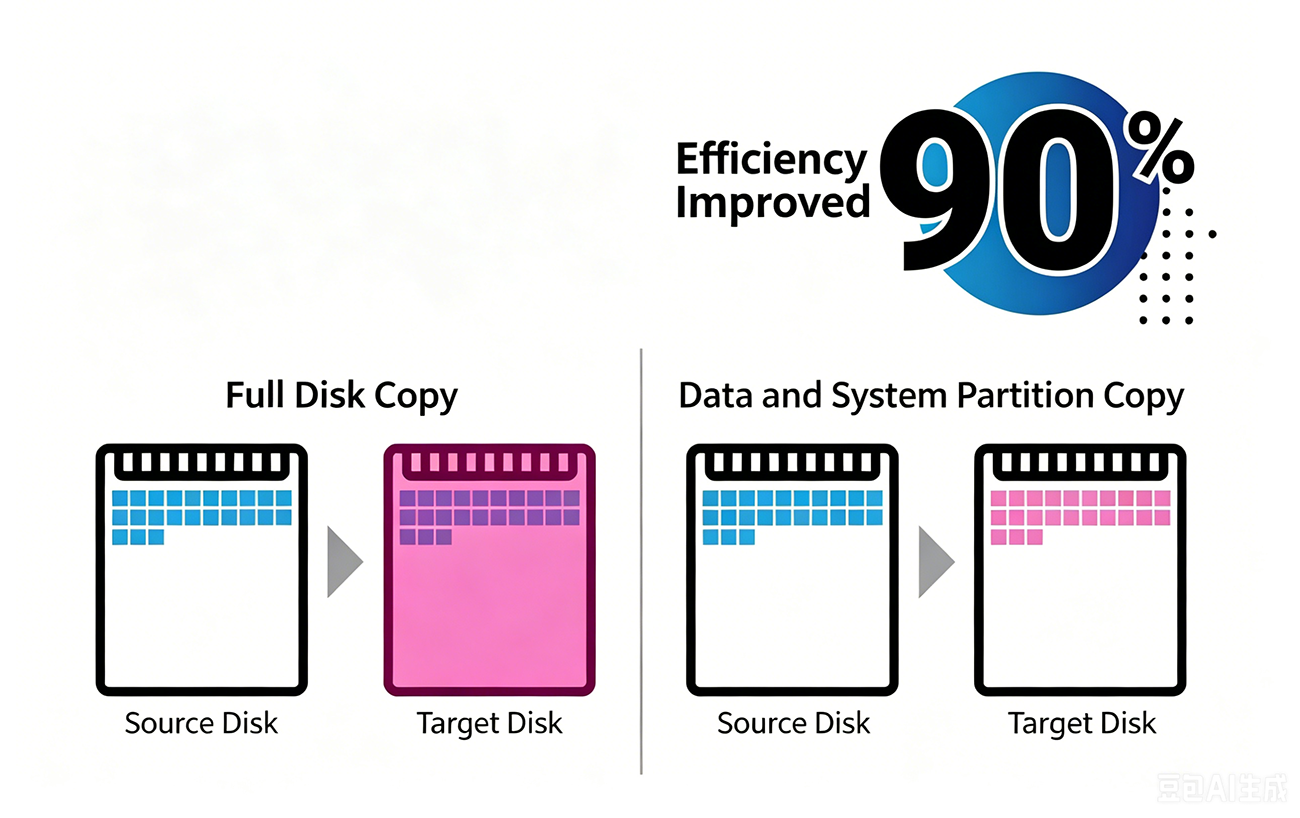
· Mass production: On the computer manufacturing assembly line, by employing “master disk pre-production + incremental synchronization,” the deployment time per unit is reduced to within 3 minutes, with a 100% accuracy rate.
Four,Conclusion
UReach FPGA copier, thanks to its unique architectural advantages,Has set a new standard in the field of industrial-grade data replication.There is an intergenerational difference between FPGA architecture and PC architecture in the field of data copying, stemming from the distinction between "hardware circuits" and "software instructions." Thanks to its FPGA architecture, the UReach Copying Machine has successfully overcome the inherent shortcomings of PC architecture in terms of latency, concurrency, compatibility, and security.
For industrial users who require an efficient, secure, and stable data replication solution, the UReach Copy Machine is undoubtedly the ideal choice. By adopting the UReach Copy Machine, enterprises can significantly enhance production efficiency, reduce operational costs, and ensure data security and integrity—providing a solid foundation for digital transformation.
Whether you’re a system integrator, a manufacturer, or an industrial user who needs to handle large volumes of data, UReach copiers will be your ideal partners for boosting productivity and ensuring data security.