In the electronic manufacturing industry, product traceability is a core link to ensure quality control, reduce recall risks, and enhance customer trust. Especially for OEM manufacturers of laptops, industrial computers, and other products, full-process data recording from component procurement to finished product delivery is not only the foundation for meeting industry compliance requirements but also the key to quickly locating problems and optimizing production processes.
The enterprise-level LOG report function of JMEGA PCIe duplicators has established a traceability system "from system deployment to terminal delivery" for OEM manufacturers by automatically recording full-process data of hard disk duplication. Through the practical application case of our client, a world-renowned laptop OEM manufacturer, this study deeply analyzes how LOG reports solve manufacturing traceability pain points, their implementation path, and core value.
I. Traceability Pain Points and Compliance Pressures Faced by OEM Manufacturers
This OEM manufacturer specializes in the R&D and production of laptops and mobile workstations, with an annual output of 2 million units and products exported to more than 20 countries and regions worldwide. Its core business is OEM production for international brands, requiring compliance with strict quality traceability requirements from customers Before introducing JMEGA duplicators, the enterprise faced three major traceability challenges in the system deployment link:
1. Lack of Traceability Data, Difficult Problem Localization
The enterprise used traditional "USB batch deployment tools" for system image duplication. These tools only recorded simple results of duplication success/failure without detailed process data. When end customers reported issues such as "system blue screen" or "missing software," the factory could not trace key information such as the system deployment time, master disk version used, and duplication operator for the device. This led to a problem troubleshooting cycle of 7-10 days and a customer complaint rate as high as 5%.
2. High Error Rate in Manual Recording, Obstructed Compliance Audits
To meet customer traceability requirements, the enterprise had to assign 4 full-time employees to manually record information such as "master disk number, duplication time, and verification result" for each device, forming paper accounts. However, manual recording was prone to errors such as "incorrect number entry" and "missing time filling," with an error rate of approximately 3%. During the annual customer compliance audit, 30% of the account data was inconsistent with actual production, resulting in the enterprise being deducted 10% of the cooperation deposit and a direct loss exceeding 2 million yuan.
3. Limited Traceability Scope, High Recall Risks
The enterprise once had to recall 10,000 delivered laptops due to software compatibility issues with a batch of master disks. However, due to the lack of accurate traceability data, it was impossible to determine the range of affected device serial numbers, and a full-batch recall was necessary. This incurred recall costs (logistics, maintenance, compensation) exceeding 8 million yuan, seriously damaging the brand reputation.
II. Solution: Implementation of JMEGA Duplicator LOG Reports
To address the above pain points, JMEGA customized an integrated solution of "PF-X2100H Duplicator + LOG Report - MES System Integration" for the enterprise. Through the full-process design of "automatic data collection - structured storage - intelligent traceability," a closed-loop traceability system was built.
1. Data Collection of LOG Reports: Comprehensive Recording of Duplication Details
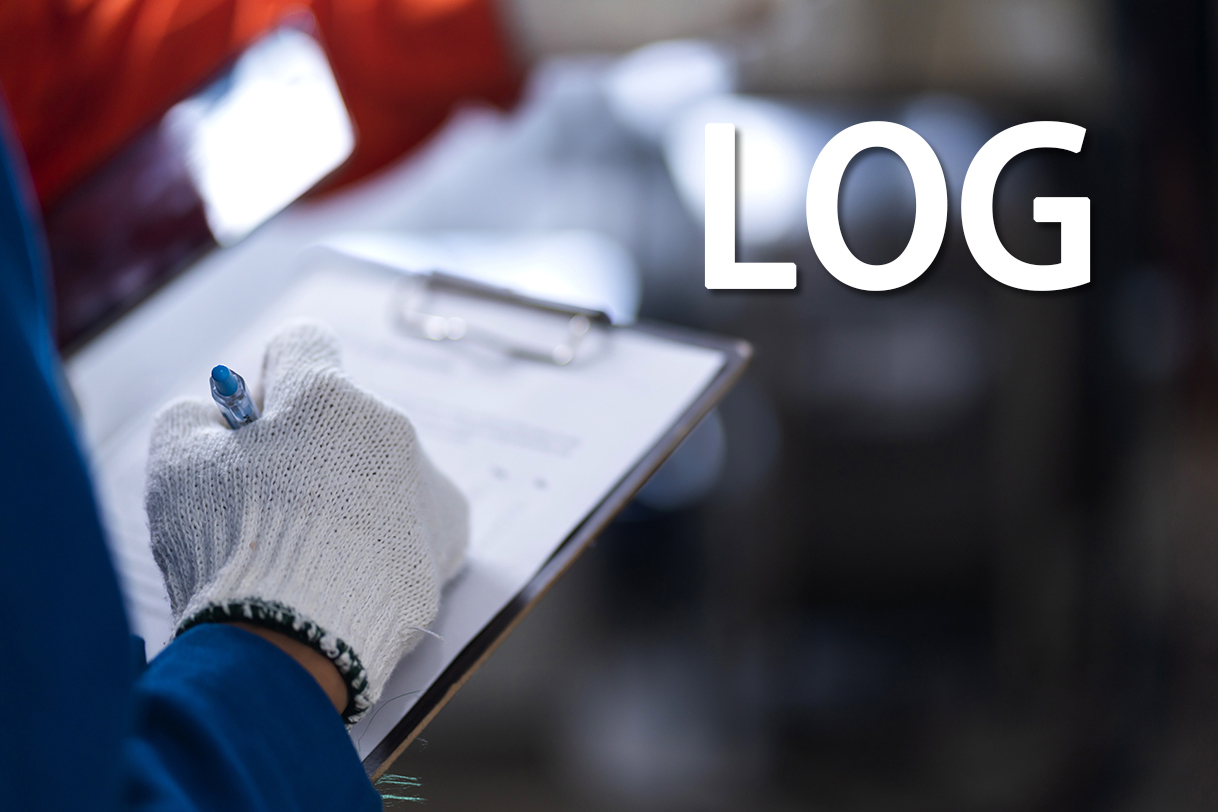
During the hard disk duplication process, JMEGA duplicators automatically collect 12 core data items to form structured LOG reports without manual intervention:
•Basic information: Duplication task ID, start time, end time, operator account (bound to factory employee ID);
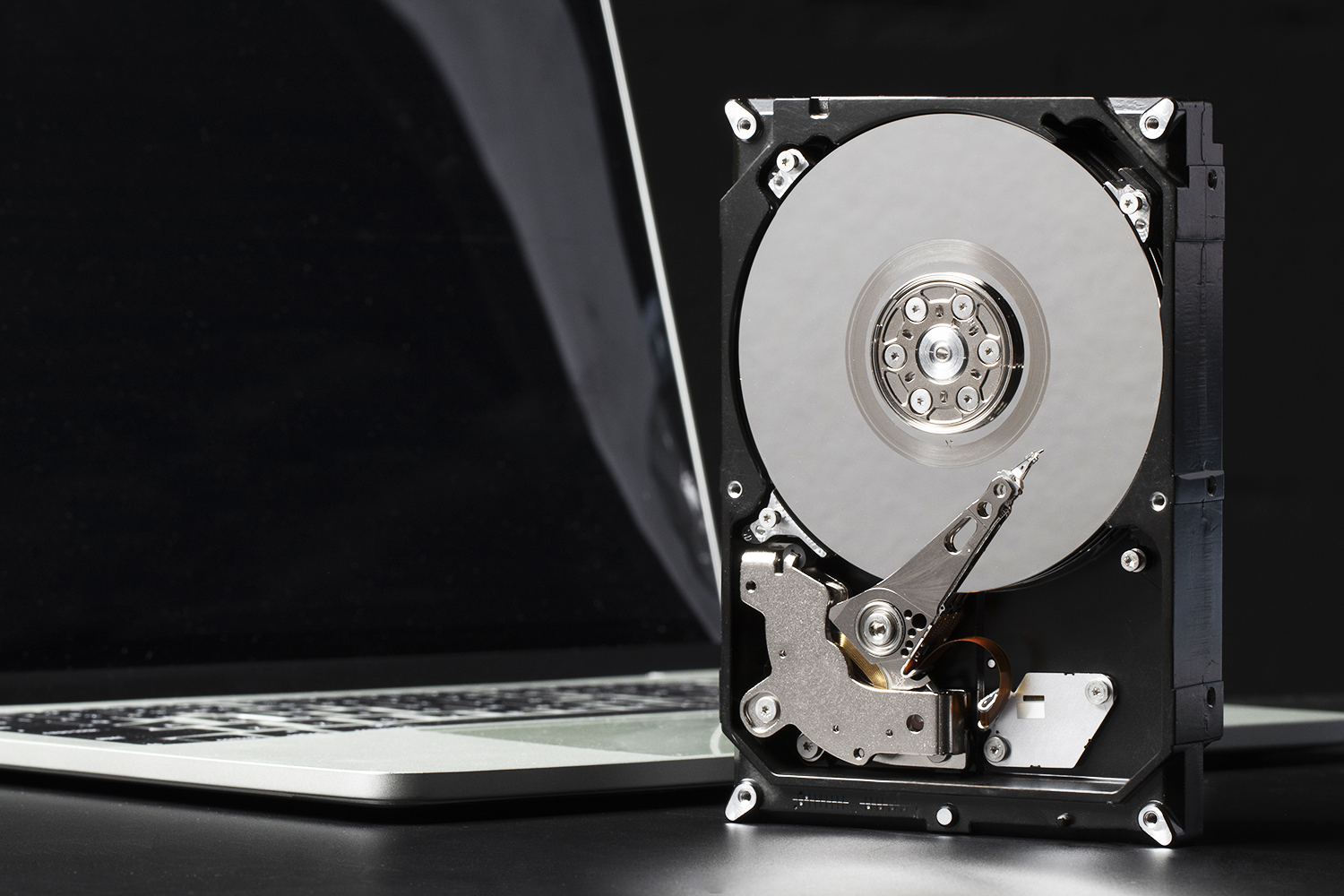
•Device information: Master disk model, master disk serial number, target disk model, target disk serial number (uniquely bound to hard disk SN);
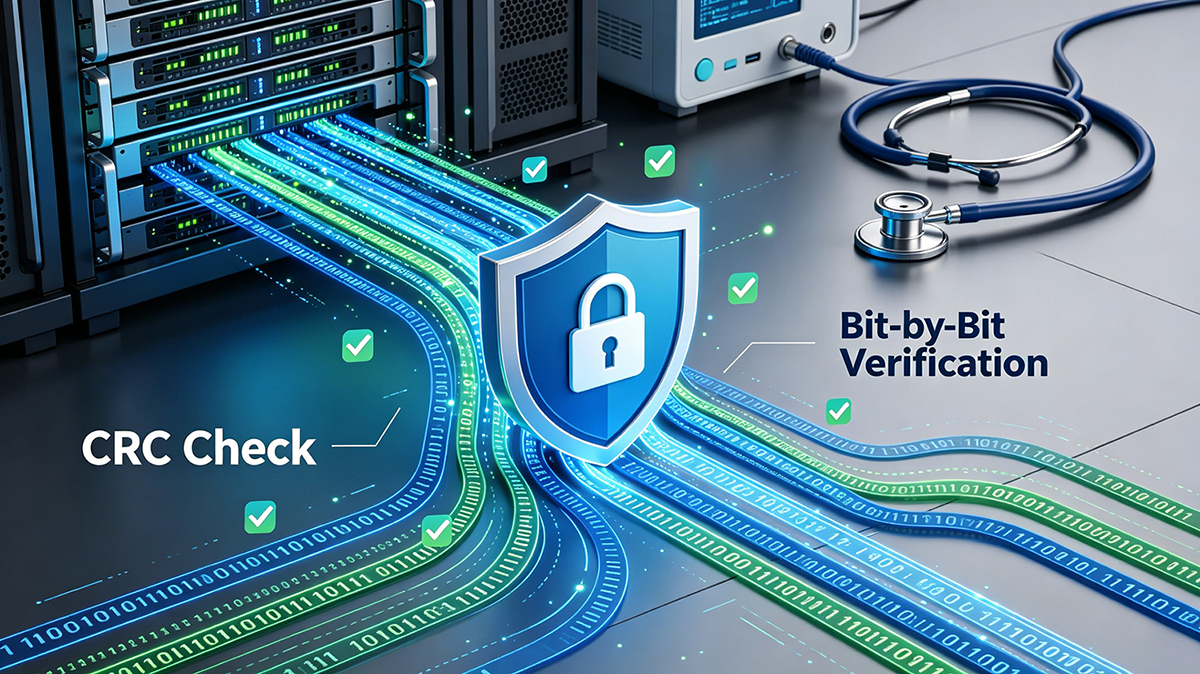
•Process information: Duplication mode (quick duplication/full duplication), data capacity, duplication speed, CRC verification result;
•Abnormal information: If duplication fails, the failure reason (such as hard disk failure, master disk damage) is automatically recorded.
All data is stored in real-time on the duplicator's local hard disk and simultaneously synchronized to the factory's MES system via Ethernet to ensure data is not lost and traceable.
2. Structured Management of LOG Reports: Multi-dimensional Search and Export
To facilitate production management and compliance audits, JMEGA provides multi-dimensional management functions for LOG reports:
•Quick search: Supports search by keywords such as "hard disk SN, target disk serial number, duplication time, and operator," and traceability data for the corresponding device can be found within 10 seconds;
•Batch export: LOG reports in Excel format can be exported by day, week, or month;
•Permission control: Different access permissions are set for employees in different positions (e.g., operators can only view their own operation records, while quality managers can view data of the entire factory) to ensure data security.
3. Integration of LOG Reports with MES System: Full-process Traceability Closed Loop
JMEGA's technical team assisted the enterprise in integrating LOG reports with the existing MES system, realizing full-process traceability from "system deployment - component procurement - finished product assembly - terminal delivery":
•Upstream association: Binds master disk information in LOG reports with master disk procurement batches and supplier information. If there is a quality problem with the master disk, it can quickly trace back to the supplier and procurement batch;
•Downstream association: Binds the target disk serial number in LOG reports with the hard disk SN and finished product outbound order number. When a customer reports a problem, the full system deployment data can be queried with one click through the hard disk SN. At the same time, it is associated with information such as the assembly workshop and inspection station to locate the root cause of the problem.
III. Dual Improvement in Traceability Efficiency and Compliance Capability
After the enterprise introduced JMEGA duplicators and the LOG report system, after 3 months of operation, remarkable results were achieved in traceability management, compliance audits, cost control, and other aspects:
1. 90% Improvement in Problem Localization Efficiency, Significant Reduction in Customer Complaints
When end customers report problems, the factory can retrieve LOG reports through the hard disk SN and obtain comprehensive system deployment data within 1 minute. Combined with assembly and inspection data from the MES system, the problem troubleshooting cycle is shortened from 7-10 days to 4-6 hours. The customer complaint rate dropped from 5% to 0.8%, and customer satisfaction increased by 25%.
2. Zero Defects in Compliance Audits, Avoidance of Economic Losses
During the annual customer compliance audit, the enterprise's traceability data achieved "100% accuracy and 100% accessibility," successfully passing the audit and receiving a 5% refund of the cooperation deposit. At the same time, the statistical charts generated by LOG reports reduced 80% of the compliance preparation workload. The 4 full-time recording employees could be transferred to other production links, saving approximately 240,000 yuan in labor costs annually.
3. Precise Recall Scope, 95% Reduction in Losses
In an incident of incorrect master disk software version, the factory quickly screened out the serial numbers of 200 devices using this batch of master disks through LOG reports and only conducted targeted recalls for these 200 devices. The recall cost decreased from the previous 8 million yuan to 400,000 yuan, a 95% reduction in losses. At the same time, tracing back to the master disk procurement batch through LOG reports, the use of this batch of master disks was terminated in a timely manner, avoiding larger-scale quality problems.
IV. Core Advantages: Differentiated Value of JMEGA LOG Reports
Compared with the basic log functions of ordinary duplicators on the market, JMEGA's LOG reports have three core advantages, perfectly adapting to the traceability needs of OEM manufacturers:
1. Comprehensive Data Dimensions, Covering All Traceability Scenarios
Ordinary duplicators only record duplication success/failure results, while JMEGA LOG reports include 12 core data items. From master disk information to process parameters, from operators to verification results, they achieve full-dimensional recording of "who, when, what was used, what was done, and what the result was," meeting the in-depth traceability needs of OEM manufacturers.
2. Automatic Synchronization and Integration, No Manual Intervention
No manual data entry is required. Data is automatically collected during duplication and synchronized to the MES system, avoiding errors in manual recording, saving labor costs, and ensuring the authenticity and timeliness of data.
3. Industrial-grade Stability, Adapting to Large-scale Production
JMEGA duplicators support 72 hours of continuous operation, and the LOG report storage capacity can reach 60,000 entries (supporting USB export and backup), meeting the traceability data storage needs of OEM manufacturers for large-scale production. The mean time between failures (MTBF) reaches 50,000 hours, ensuring the stable operation of the traceability system.
V. Case Insights: Core Trends in OEM Manufacturing Traceability
This case shows that the construction of traceability systems for OEM manufacturers has transformed from "passive compliance" to "active optimization." As a key data carrier in the system deployment link, the core value of LOG reports lies in "comprehensive data, automatic collection, and integration compatibility."
For OEM manufacturers, when choosing duplication equipment with high-quality LOG report functions, three key points should be focused on: first, whether the data dimensions cover "master disk - target disk - operator - process parameters"; second, whether it supports seamless integration with MES systems to achieve full-process traceability; third, whether data storage and retrieval are efficient enough to meet the needs of large-scale production.
The LOG report function of JMEGA PCIe duplicators, through in-depth adaptation to OEM manufacturing scenarios, not only solves the traceability pain points of a single enterprise but also provides the industry with a "low-cost, high-efficiency, and high-reliability" traceability solution. Currently, this function has been adopted by more than 20 leading OEM manufacturers worldwide, becoming a core tool for electronic manufacturing traceability construction.
If your OEM enterprise is facing problems such as lack of traceability data, cumbersome manual recording, and high pressure from compliance audits, I can help you customize a JMEGA LOG report function adaptation plan. Combining your production scale, existing systems (such as MES), and compliance requirements, it will detail the implementation process and expected value. Would you like to try it?