The core reason why hard drive duplicators have become a key device in production line digitalization lies in their ability to close the digital loop encompassing "system deployment, data traceability, and production collaboration." They serve both as the source node for collecting production line data and the core hub connecting hardware to digital management systems, directly addressing the key pain points of digital transformation: data gaps, efficiency bottlenecks, and lack of traceability.
1. They Are the Source of Production Line "Digital Twins": Enabling Accurate Device Data Collection
The core of production line digitalization is establishing a mapping relationship between the "physical production line and digital model." The system configurations and hardware information of each end-device (e.g., industrial PCs, laptops, automotive electronic components) form the foundational data for this digital model.
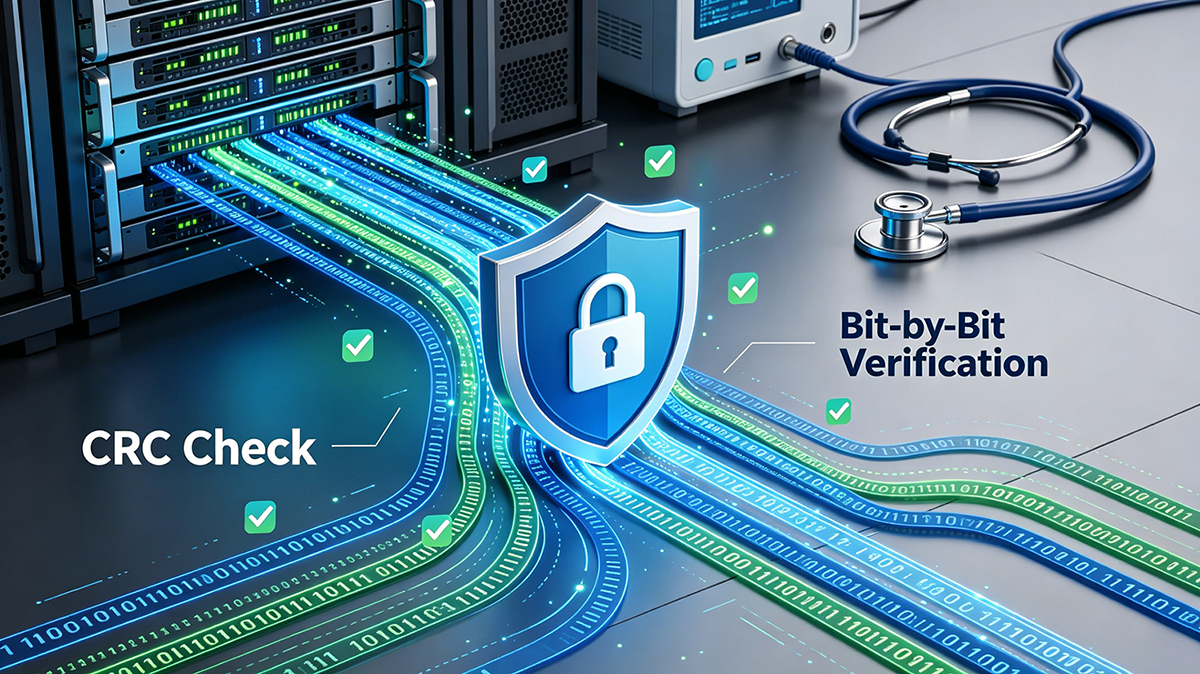
During the system deployment process, hard drive duplicators automatically collect 12+ core data points, such as target drive serial numbers, master drive versions, duplication time, and CRC verification results. These data points directly correspond to the "digital identity" of physical devices. For instance, the LOG reports generated by JMEGA duplicators can be synchronized to Manufacturing Execution Systems (MES) in real time, creating a digital profile for each device that covers the entire lifecycle from "production to delivery." This is impossible with traditional manual installation—manual operations leave no data records, resulting in "missing source data" for the production line’s digital model and rendering digitalization incomplete.
2. They Resolve "Efficiency Bottlenecks": Supporting High-Capacity Demands of Digital Production Lines
One goal of production line digitalization is to boost productivity through automation. However, if system deployment—a critical pre-shipment step for devices—still relies on manual work, it becomes an "efficiency bottleneck" for digital production lines.
Take electronic factories in Southeast Asia as an example:
• Traditional manual installation takes 25 minutes per device, meaning 100 devices require 30 hours to deploy.
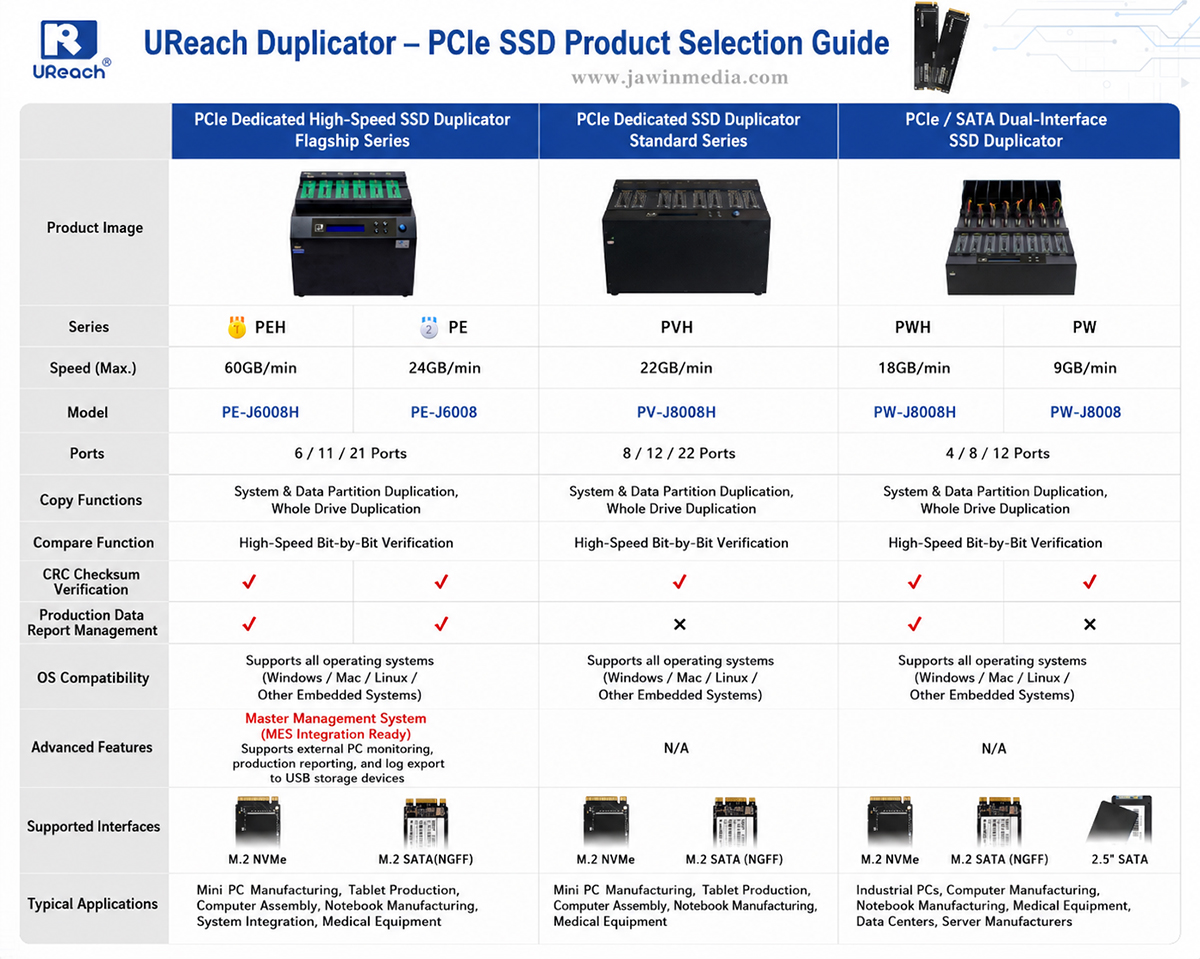
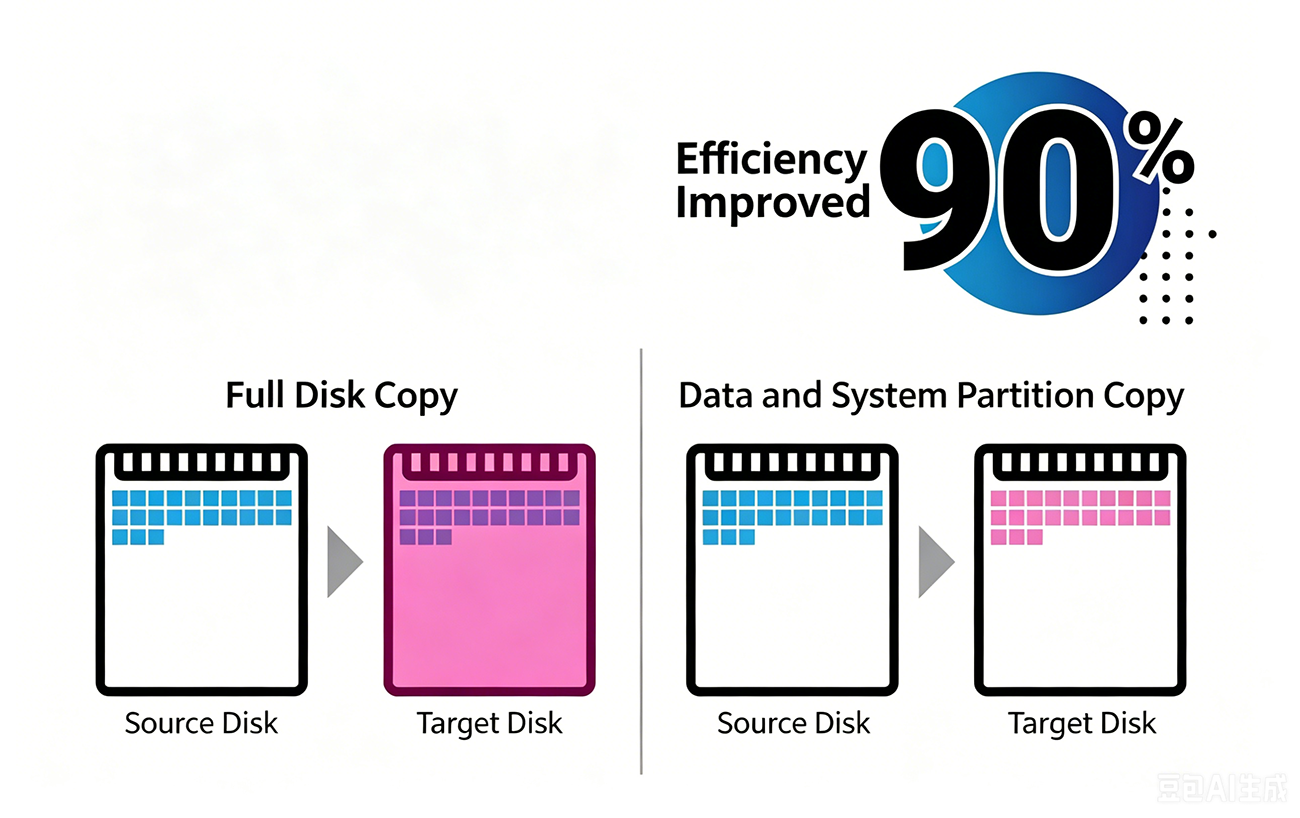
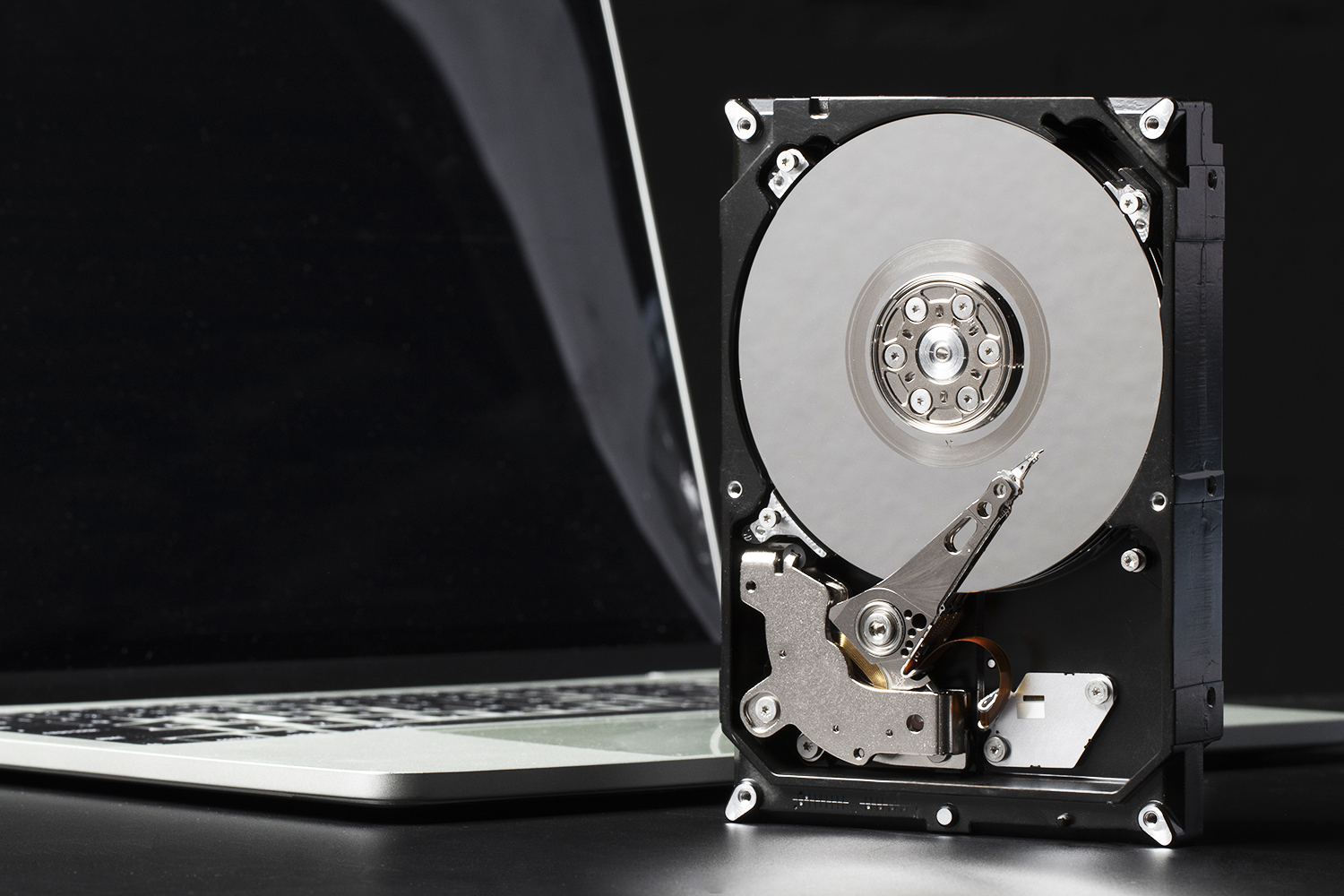
• In contrast, hard drive duplicators (e.g., the U-Reach PF-X600H series) support 6–21 parallel channels. They can deploy 6 devices in 35 seconds, reducing the time for 100 devices to just 1.2 hours.
This "parallel automation" capability aligns with the "1 device per minute" cycle requirements of digital production lines, preventing line halts caused by slow system deployment. Additionally, data from duplicators—such as equipment utilization rates and duplication pass rates—can be fed back to digital management platforms to optimize production scheduling, enabling "digital capacity regulation."
3. They Build "End-to-End Traceability": Meeting Digital Quality Control Requirements
A core value of production line digitalization is "quality traceability and problem localization," and the LOG reports generated by hard drive duplicators are the key carrier of this traceability system.
When end customers report "system failures":
• The "master drive serial number" recorded by the duplicator helps trace whether the batch of master drives had quality issues.
• The "duplication time" links to the production team and equipment status at that time.
• The "verification result" determines if the issue stemmed from data transmission errors.
These data points connect the entire chain from "supplier to production to delivery," forming a closed loop for digital traceability. For example, after a laptop factory in Vietnam adopted duplicators, the time to troubleshoot faulty devices dropped from 7 days to 1 hour, and the defect rate fell from 5% to 0.8%—a concrete reflection of digital quality control.
4. They Enable "Multi-System Integration": Acting as a Hub for the Digital Ecosystem
Production line digitalization is not just the upgrade of a single system, but the collaborative operation of MES (Manufacturing Execution System), ERP (Enterprise Resource Planning), and SCM (Supply Chain Management). Hard drive duplicators serve as the "data bridge" connecting these systems:
• Integration with MES: Real-time capacity data from duplicators (e.g., duplication volume per hour, pass rate) is synchronized to MES for production progress monitoring and anomaly alerts.
• Integration with SCM: Target drive serial numbers are linked to hard drive supplier information. If a batch of drives is defective, the issue can be quickly fed back to the SCM system to trigger supplier quality improvements.
• Integration with ERP: Data such as duplicator depreciation and consumable usage is synchronized to ERP for cost accounting and resource allocation.
This "multi-system integration" capability transforms hard drive duplicators from "single-function tools" into "data hubs" for digital production lines, supporting the operation of the entire digital ecosystem.
Conclusion: Without Duplicators, Production Line Digitalization Is "Incomplete"
Traditional production lines lack data records, so digitalization can only "start from the assembly stage," resulting in missing data for the pre-deployment phase of devices. Hard drive duplicators fill this gap through "data collection, efficiency support, traceability loops, and system integration," upgrading production line digitalization from "partial-process digitalization" to "end-to-end digitalization."
Whether in electronic manufacturing, automotive electronics, or semiconductor packaging and testing, hard drive duplicators are irreplaceable key devices wherever system deployment is required—they are both the "source" of digitalization and the "backbone" of its implementation.