1. Definition of a Copy Machine
A Copy Machine (Duplicator) is a specialized hardware device designed for high-speed and precise data duplication.
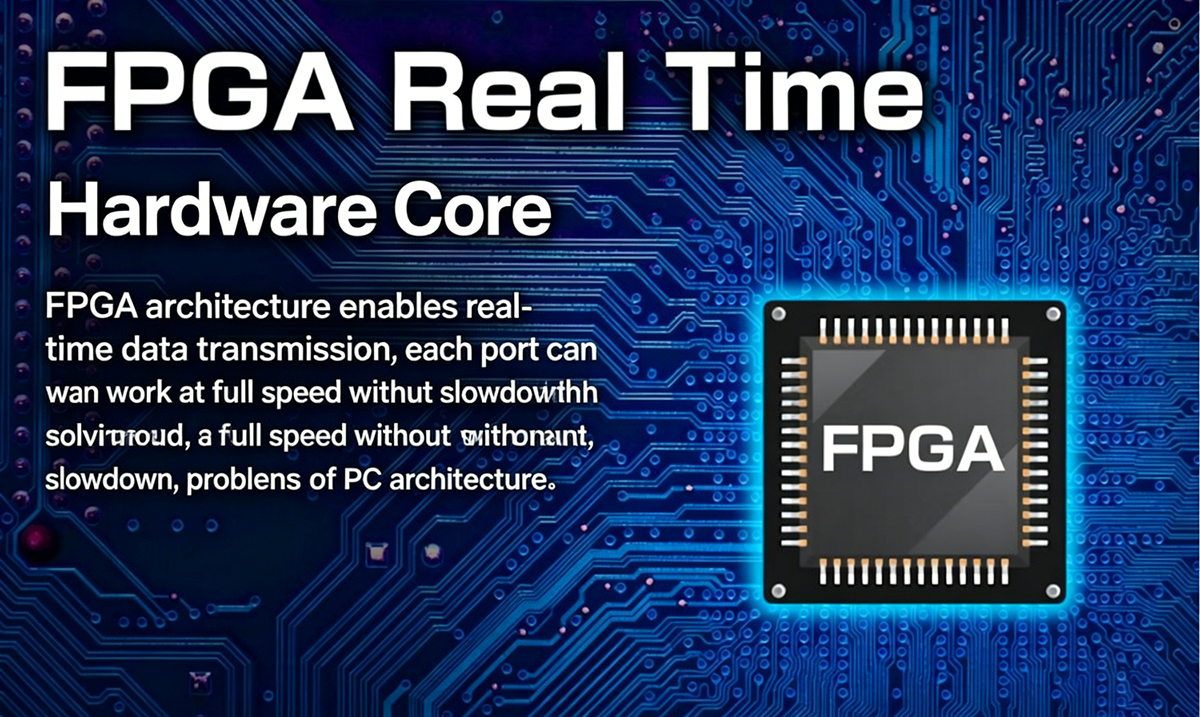
Unlike ordinary software-based copying, a duplicator uses a dedicated controller chip and an independent channel architecture (Standalone Architecture) that enables simultaneous data transmission to multiple storage devices — without relying on a host computer.
Typical Applications:
System imaging and OS deployment for industrial PCs before shipment
Mass production for notebook, tablet, and smartphone OEM manufacturers
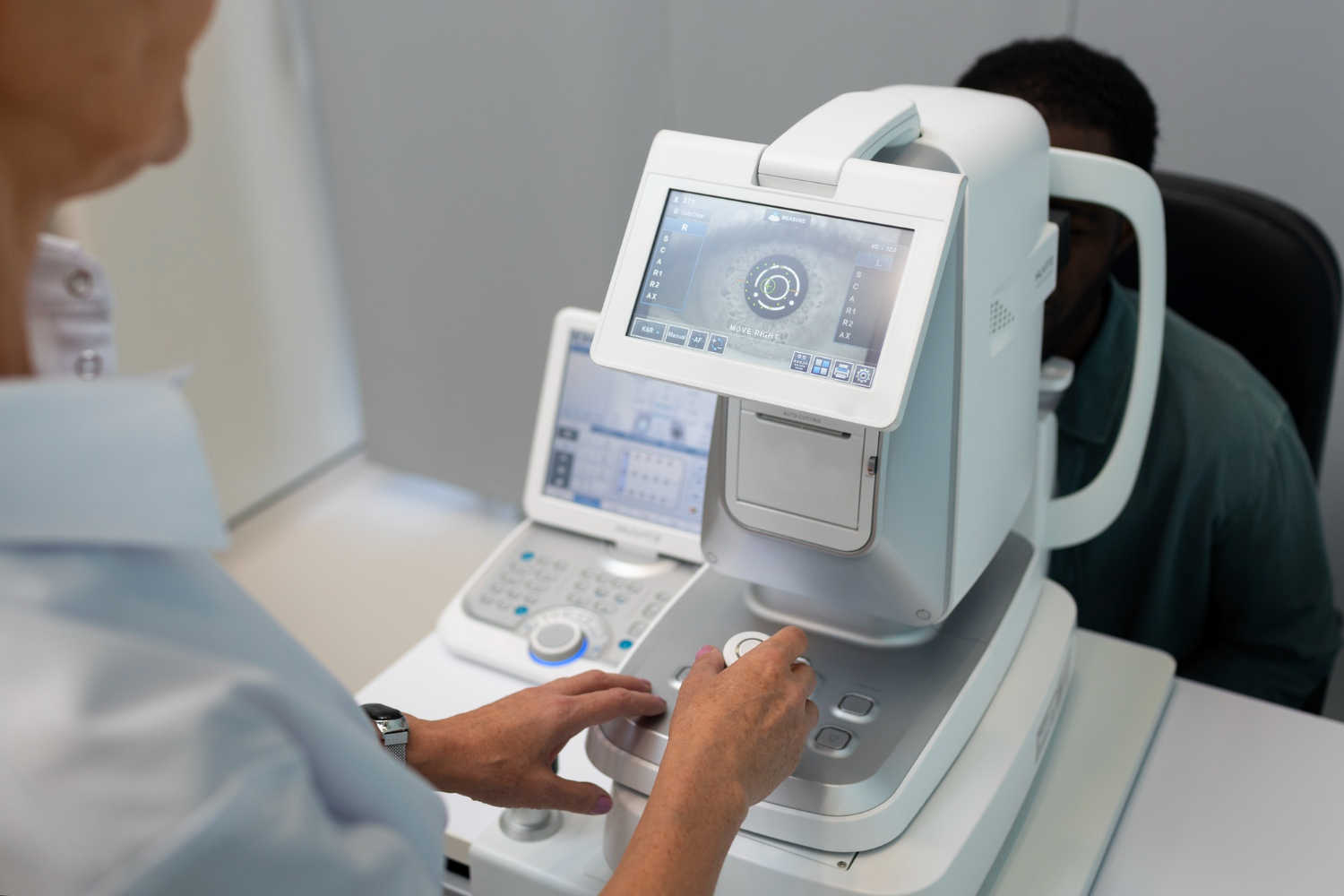
Military, medical, and financial industries requiring strict data consistency
Enterprise IT centers for data backup and deployment
2. Operating Principle
The core of a duplicator is the data-copy control chipset, which directly reads data from the source drive and writes it to multiple target drives without using any operating system.
Typical Workflow:
1.Insert the source drive (Source)
→ Usually a master drive pre-installed with an operating system or production data.
2.Insert the target drives (Target)
→ Multiple blank SSDs, HDDs, USB, or Micro SD cards.
3.Select the copy mode (Copy Mode)
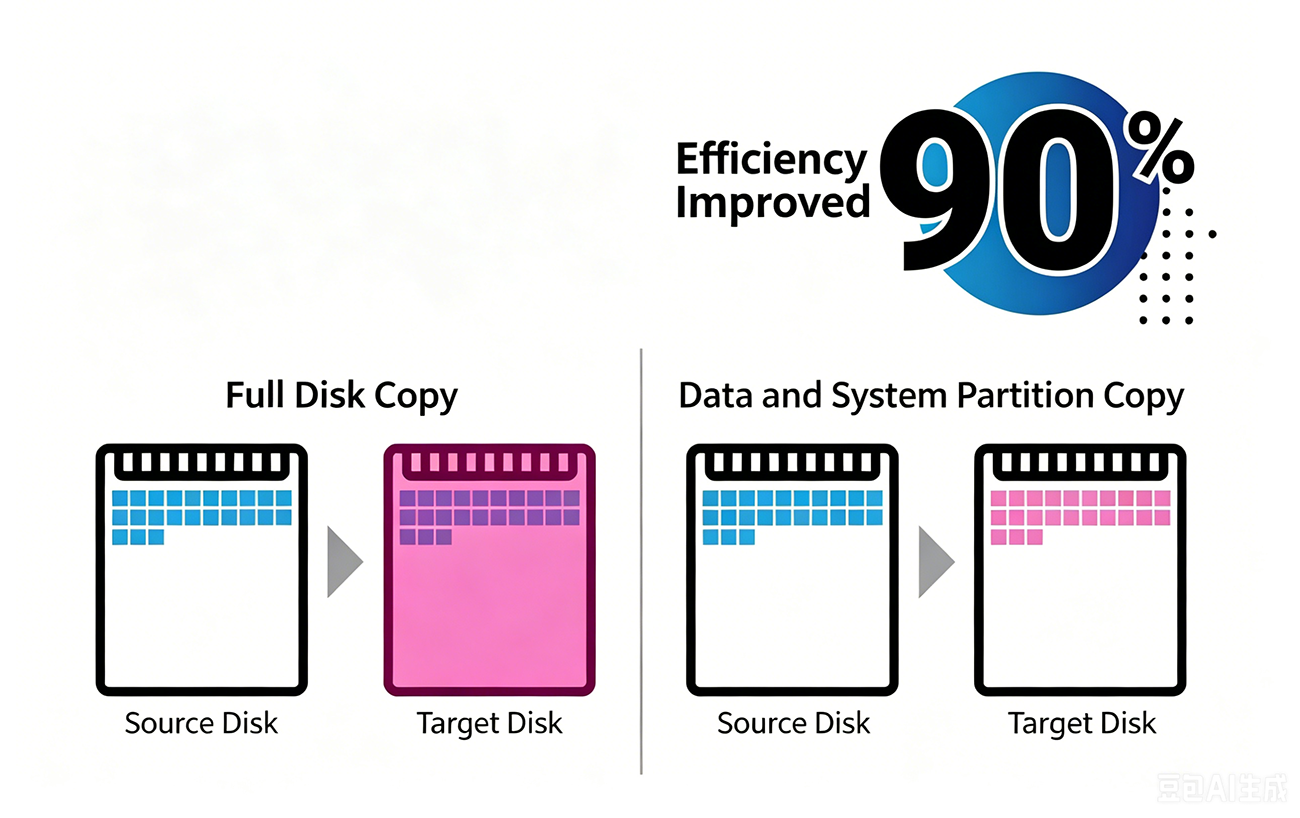
→ Quick Copy or Whole Area Copy.
4.Start the duplication process
→ The controller performs direct hardware-level data transfer.
5.Automatic verification
→ The system executes a CRC check to ensure data integrity.
3. Common Types and Interfaces
Category Main Application Notes
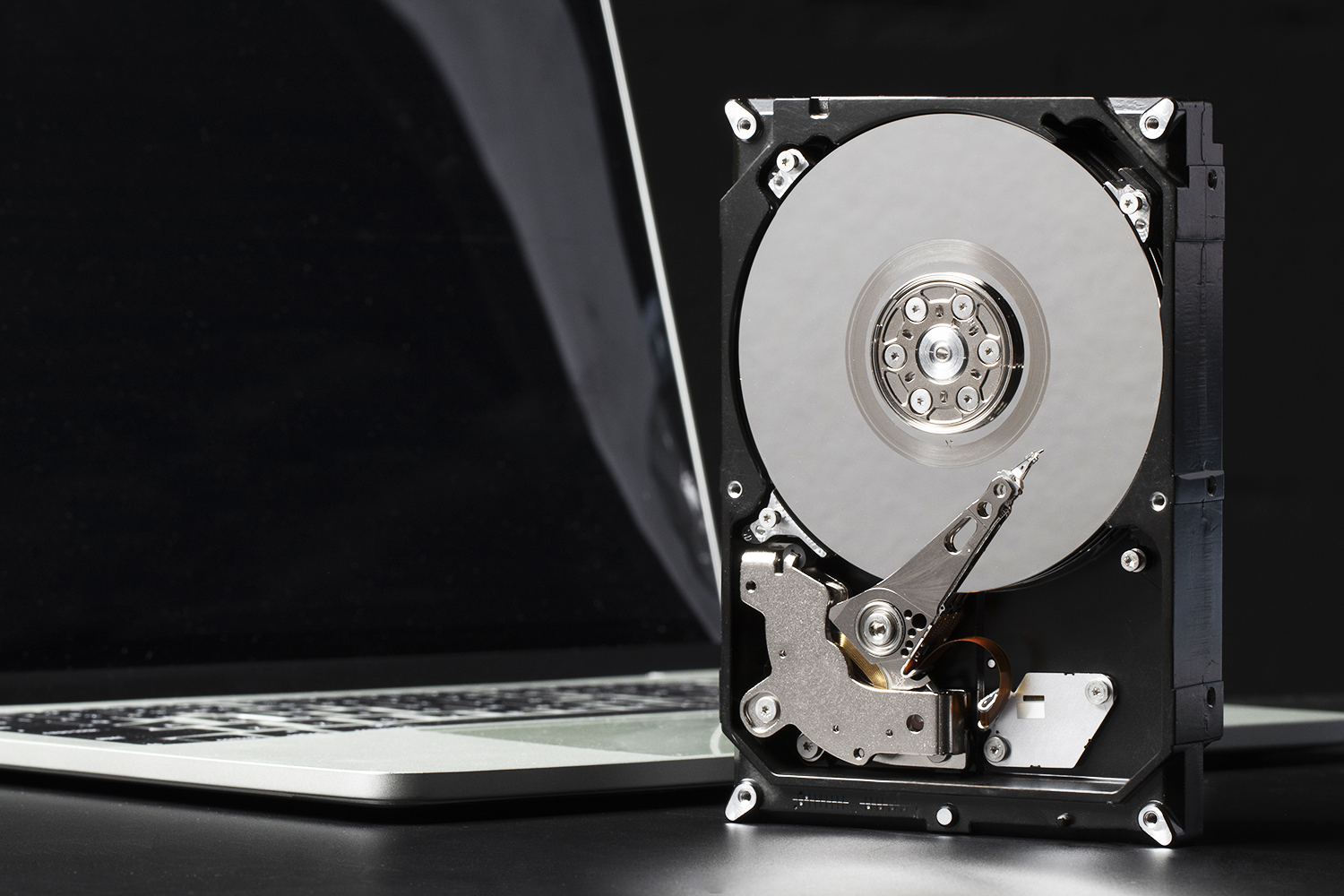
HDD / SSD Duplicator Duplication of traditional hard drives and solid-state drives Supports SATA / SAS interfaces
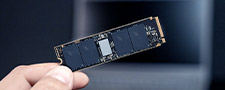
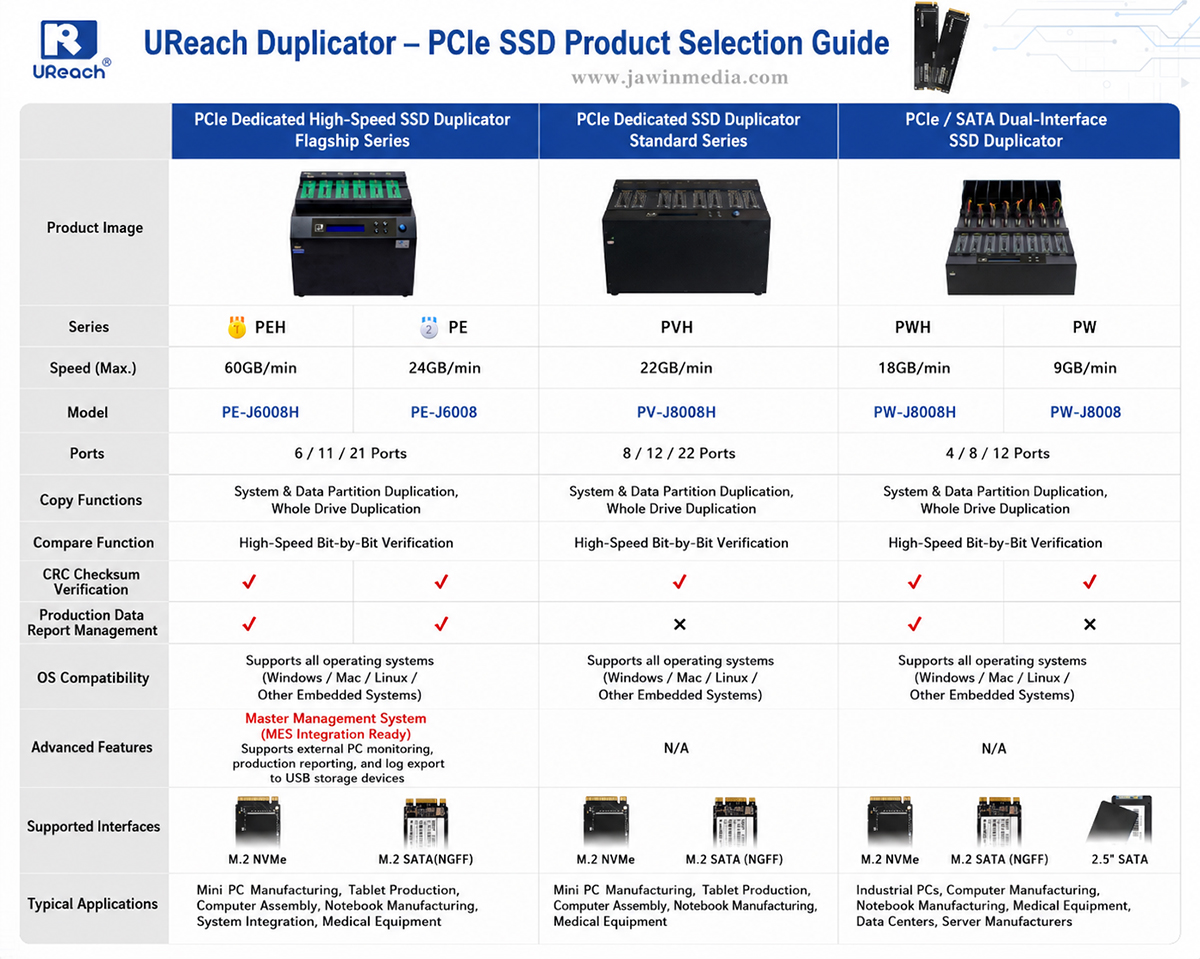
NVMe / PCIe Duplicator High-speed M.2 SSD or server-grade storage Up to 60 GB/min
USB Duplicator Mass duplication of USB drives or industrial control modules Supports Type A / C and USB 3.2 Gen 2
Micro SD Duplicator For smartphones, cameras, and IoT devices Supports capacity check & fake-card detection
CF / CFast Duplicator For professional photography and industrial cameras Compatible with CF standards
Multi-interface Duplicator Cross-interface or hybrid production lines Supports multi-channel and mixed interfaces
4. Copy Speed and Performance Indicators
The most important performance metric for JMEGA duplicators is copy speed.
Below are typical reference speeds:
Model Rated Speed Average Tested Speed (Pro Model) Application Field
PF-X600H 60 GB/min ≈ 60 GB/min PCIe U.2
PS-X800H 22 GB/min ≈ 22 GB/min PCIe
TU-X2400 30 GB/min ≈ 30 GB/min SATA SSD
TS-TFH50 6 GB/min ≈ 6 GB/min Micro SD Card
US3-X924SG 6 GB/min ≈ 6 GB/min USB 2.0 / 3.0
Professional duplicators such as the JMEGA / UREACH series support high-speed copying + real-time verification + fake-card detection, ensuring both quality and efficiency.
5. Advantages of Professional Duplicators
Function Duplicator Regular Computer Copy
Copy Speed Multi-channel high speed (up to 60 GB/min) Single thread, OS-limited
Data Verification CRC / Bit-to-bit comparison None or requires extra software
Fake-Card Detection H5 / CID detection Not supported
Batch Operation Supports 1→8, 1→15, 1→24 targets simultaneously Manual copy one by one
Data Security FPGA-based standalone operation, no network connection Vulnerable to viruses and OS errors
Log Tracking Automatically generates copy reports Manual record required
6. Industry Applications
1.Notebook and Industrial PC OEM Factories: Mass deployment of Windows / Linux system images.
2.Data Centers and Server Integrators: Rapid initialization of large volumes of hard drives.
3.Industrial Automation and IoT Manufacturers: Firmware burn-in and configuration duplication.
4.Security and Camera System Producers: Duplication of storage modules and Micro SD cards.
5.Medical and Military Sectors: Ensuring data integrity and traceability.
7. Future Development Trends
Higher Transfer Interfaces: Next-generation PCIe Gen6 and USB 4.0 duplicators will further increase speed.
AI-driven Quality Control: Automatic detection of bad sectors, fake cards, and unstable media.
Cloud-integrated Reporting: Remote monitoring of copy progress and log management.
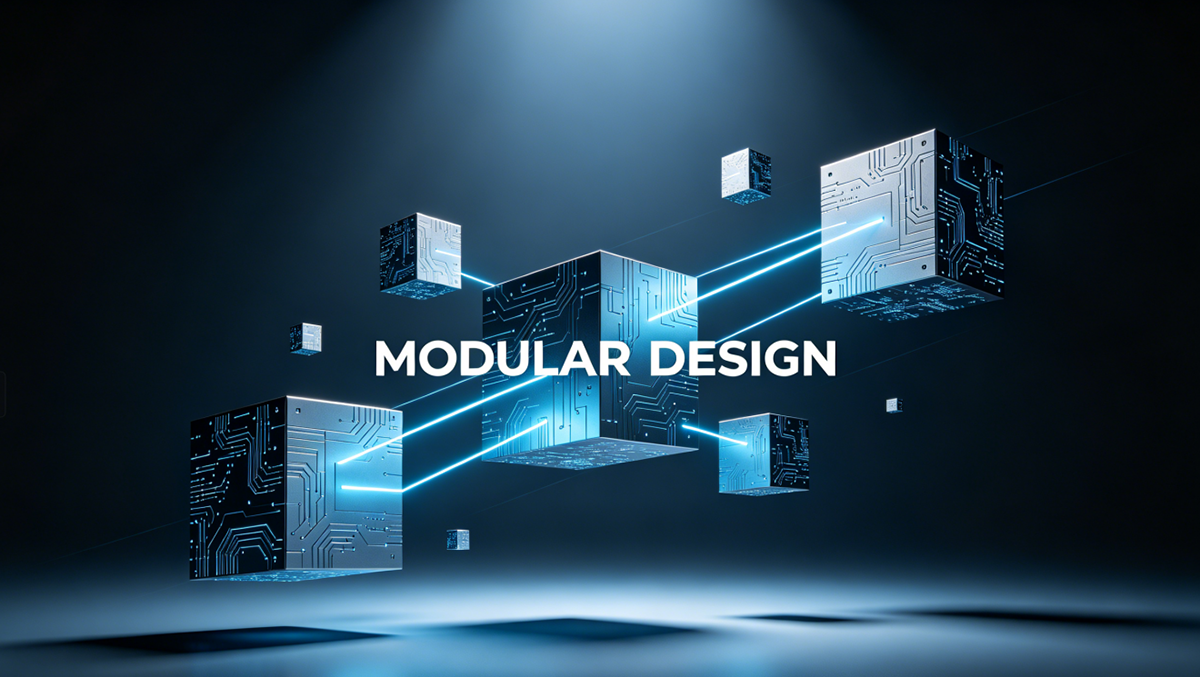
Modular Design: Flexible expansion of copy channels and interfaces based on production needs.
Conclusion
A duplicator is an indispensable core tool in modern electronics manufacturing and data management.
It is more than a simple data-copying device — it integrates speed, stability, verification, and traceability into a complete production solution.
In an era of mass production and stringent quality control, choosing the right professional duplicator is key to improving production efficiency and corporate competitiveness.