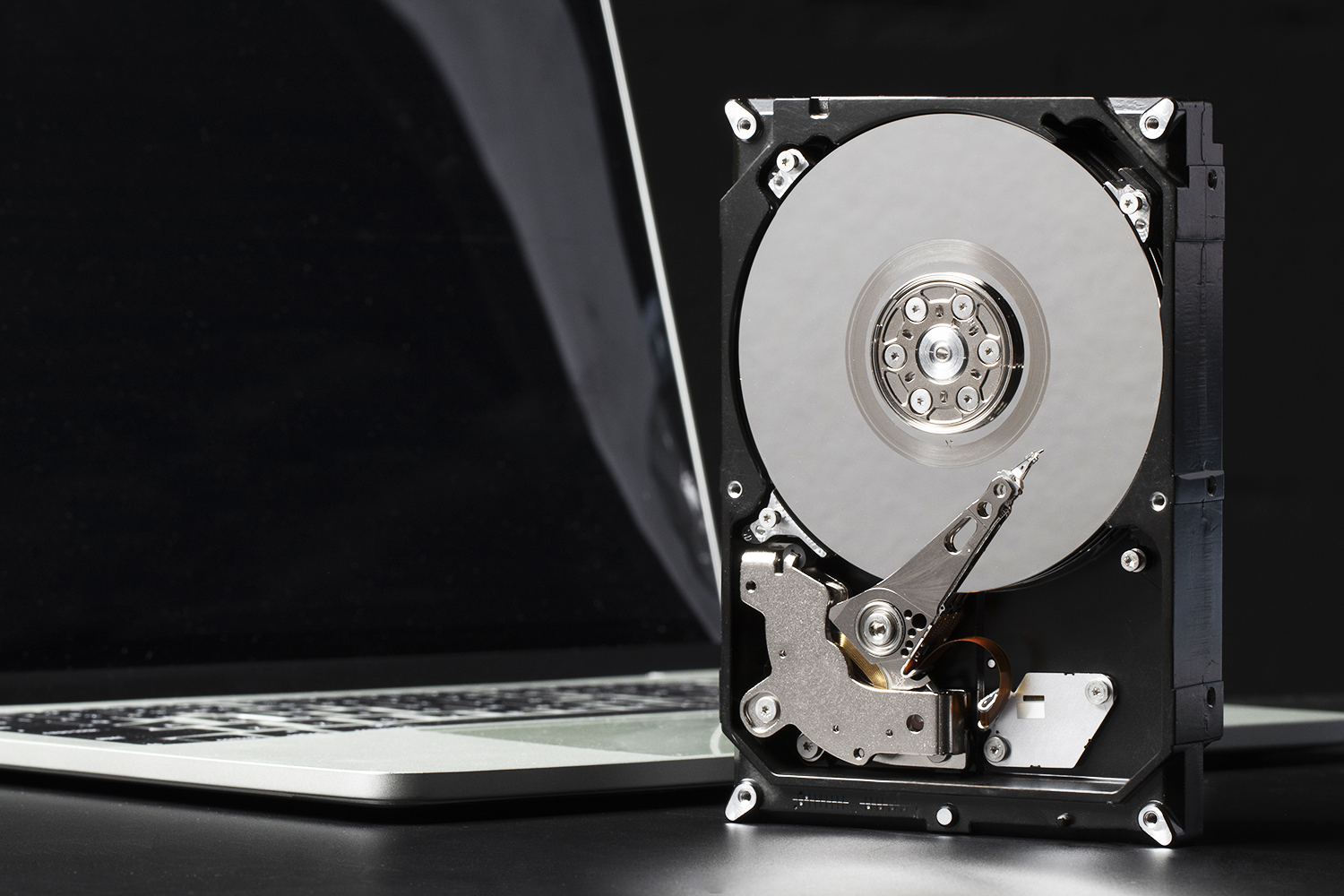
A standalone hard drive duplicator is a core device for batch secure file replication, with its importance reflected in three key dimensions: "efficiency guarantee, data security, and operational control." It directly addresses the speed bottlenecks, data risks, and management challenges of traditional replication methods (such as computer drag-and-drop and USB drive copying) in batch scenarios, making it particularly suitable for enterprise data migration, electronic factory batch device provisioning, archive backup, and other needs.
I. Efficiency Multiplication: Breaking Through the Speed Bottleneck of Batch Replication
Traditional computer drag-and-drop replication is limited by motherboard interface bandwidth and interference from background system processes, resulting in unstable speeds and inability to process in parallel during batch replication. Standalone hard drive duplicators achieve a qualitative leap in efficiency through hardware-level optimizations:
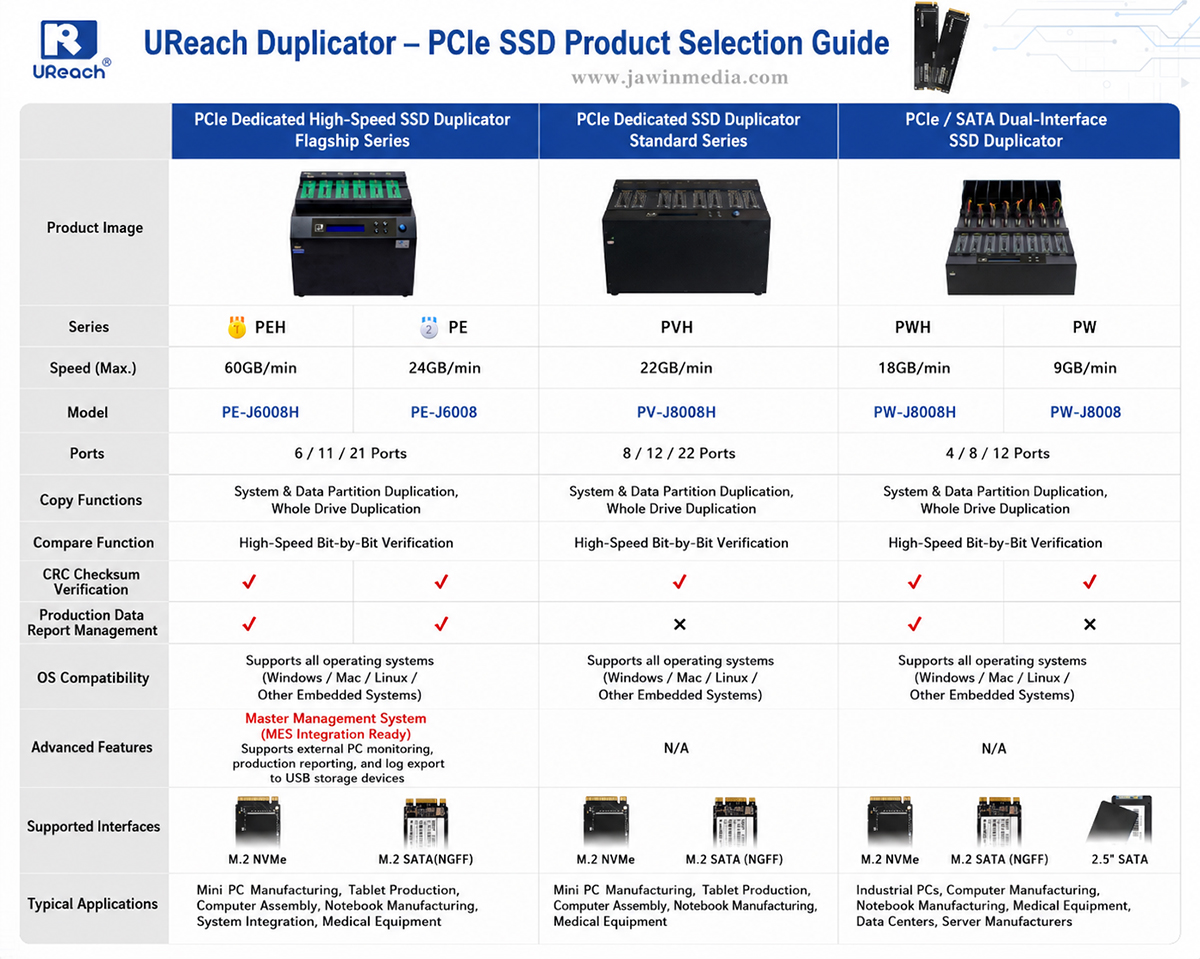
• Parallel multi-channel design: Mainstream standalone models support multi-channel configurations such as 1-to-7 and 1-to-11, enabling simultaneous replication to multiple hard drives. For example, a 1-to-7 model copying a 30GB file takes 1.5 minutes per drive, and 7 drives can be completed synchronously in just 1.5 minutes—an efficiency improvement of 7 times compared to single-channel replication;
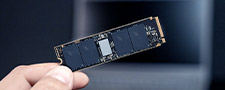
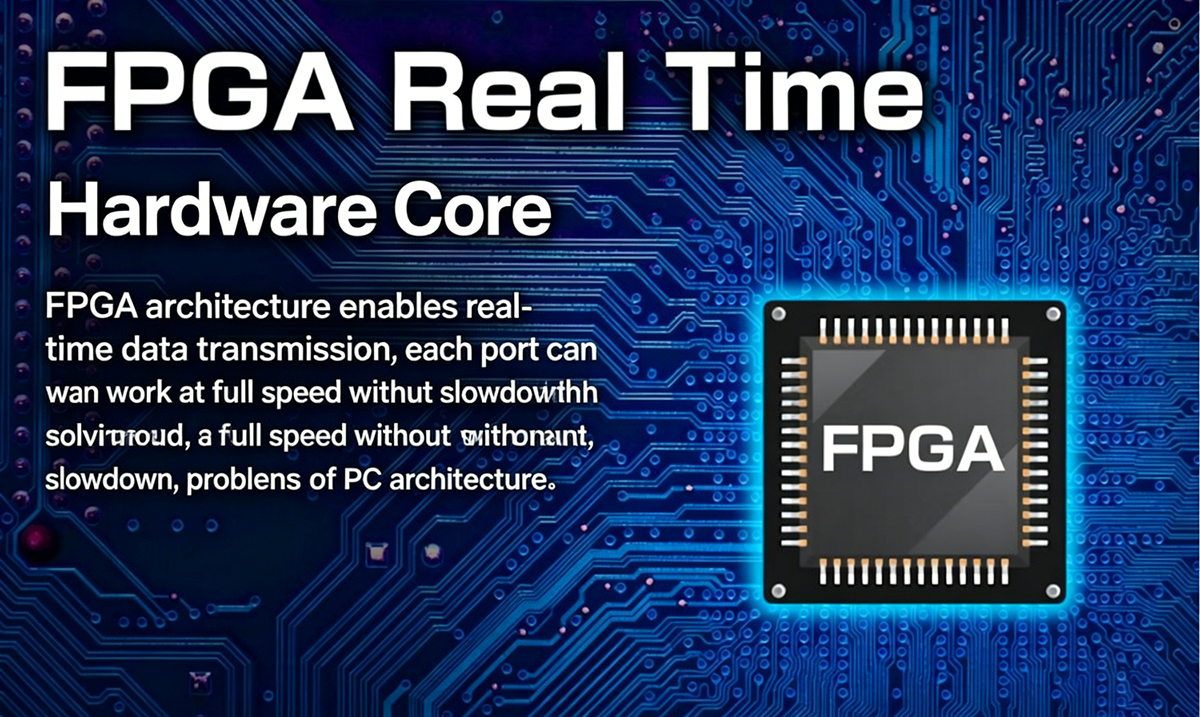
• Hardware direct-connection acceleration: Adopting native PCIe/NVMe interfaces and bypassing computer system layers, the copying speed can reach 60GB/min, 12 times faster than USB 3.0 (approximately 5GB/min). Batch replication of 100 hard drives can be reduced from 10 hours with traditional methods to less than 1 hour;
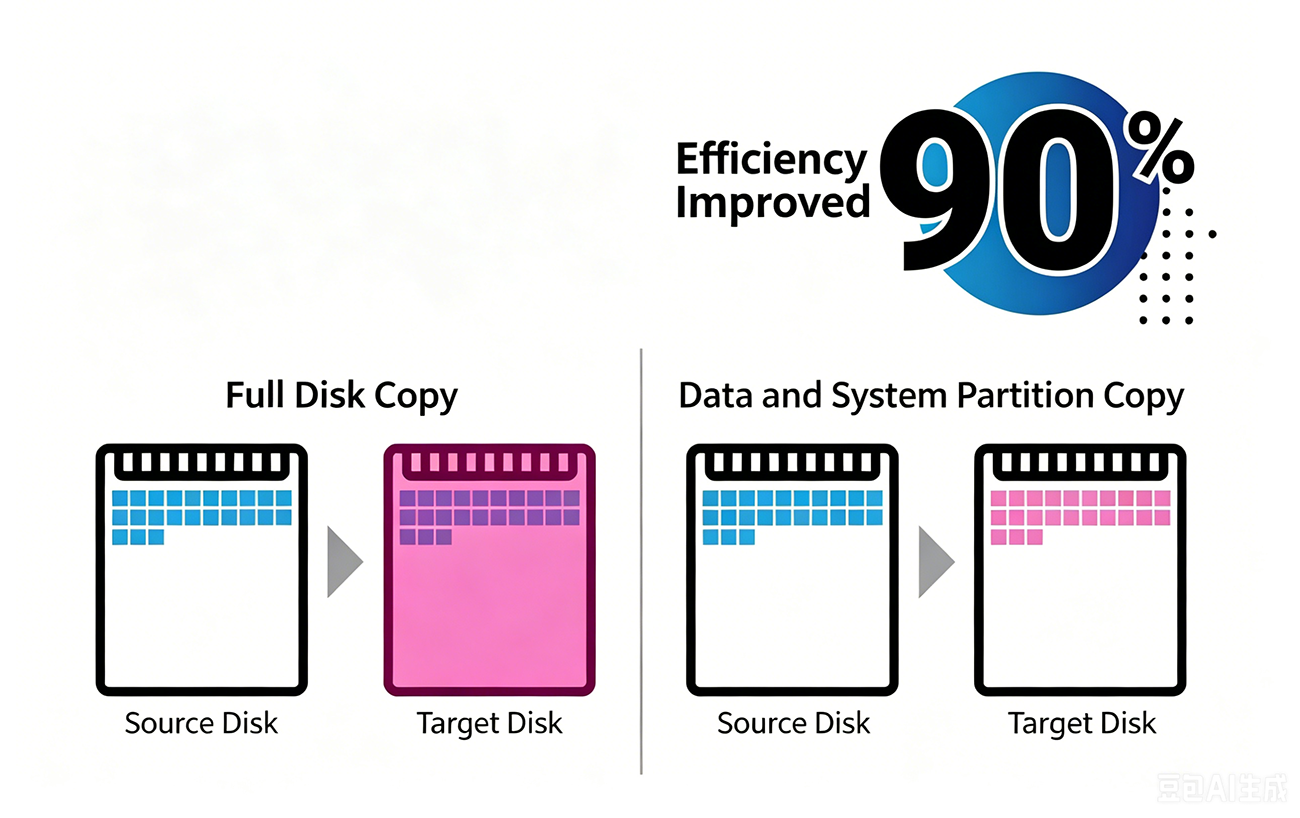
• Offline independent operation: No reliance on a computer host—simply power on and insert drives to start replication. This avoids replication interruptions caused by computer viruses or background program resource occupation, increasing the stability of continuous operations by 90%.
II. Data Security: Avoiding Replication Risks at the Source
The core pain points of batch file replication are data loss, corruption, or leakage. Standalone hard drive duplicators build a security barrier through multiple mechanisms:
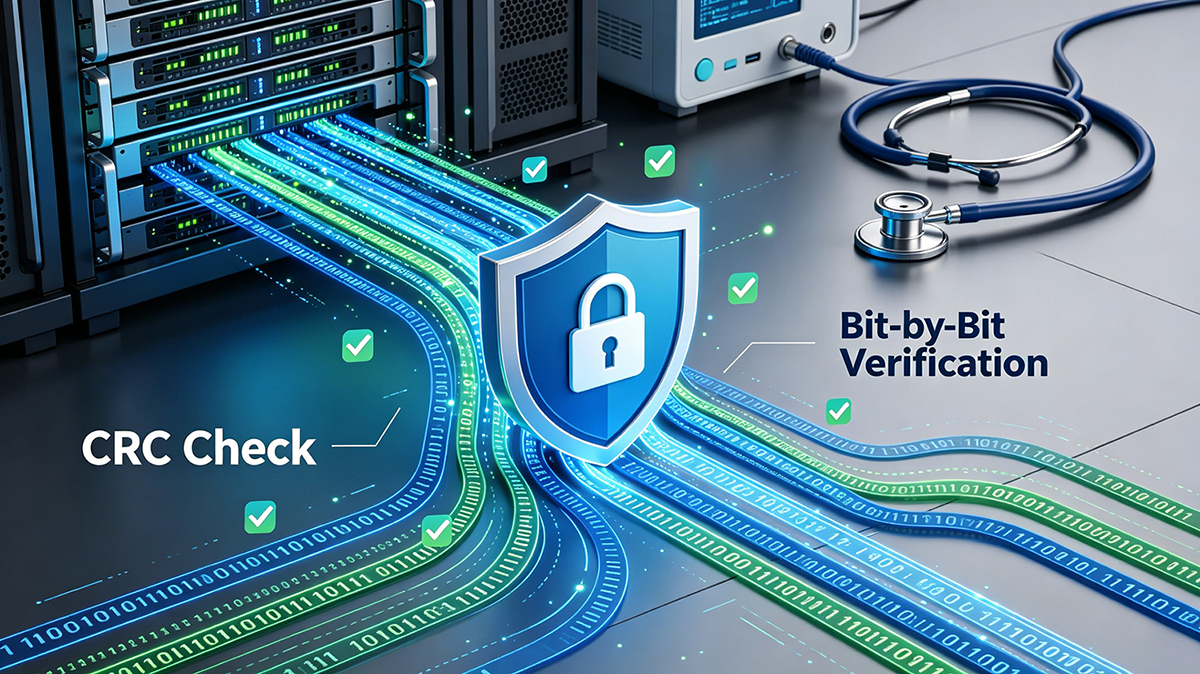
• Data integrity verification: Built-in CRC and comparison dual-verification functions real-time compare data between the source drive and target drives during replication, ensuring byte-level consistency with an error rate controlled below 0.3%. This completely eliminates the hidden risk of "successful copying but corrupted files";
• Physical isolation against leakage: The device has no network interface and performs physical offline replication throughout the process, preventing security risks such as hacker attacks and data interception. It is especially suitable for batch transmission of confidential files (such as enterprise secrets and government archives);
• Intelligent bad block avoidance: Automatically detects physical bad blocks on source/target drives, skips damaged sectors and marks them. This prevents file loss caused by repeated reading/writing of bad blocks and protects hard drives from secondary damage.
III. Operational Control: Reducing Management Costs and Human Errors
In batch replication scenarios, traditional methods rely on manual repetitive operations, which are prone to missing copies, incorrect copies, operational errors, and other issues. Standalone hard drive duplicators simplify management through standardized design:
• One-click automated operation: No professional skills required—operators only need to select modes such as "quick copy" or "full-disk copy," and the device automatically completes the entire process. This reduces manual intervention by 90% and lowers training costs;
• Full-process traceability and logging: Automatically generates LOG reports recording replication time, source/target drive serial numbers, verification results, operator information, etc., which can be exported and archived to meet compliance auditing and quality traceability requirements;
• Multi-scenario compatibility and adaptation: Supports various hard drive interfaces such as SATA, NVMe, and M.2, and is compatible with mainstream file systems including NTFS and FAT32. A single device can cover file replication needs for multiple types of equipment such as computers, industrial computers, and servers, avoiding the hassle of switching between multiple tools.
IV. Scenario Value: An Irreplaceable Solution for Batch Replication
In specific scenarios, the importance of standalone hard drive duplicators is particularly prominent:
• Electronic factory batch device provisioning: Requires preinstalling system files and drivers for thousands of devices. The multi-channel parallel capability of duplicators can match production line rhythms and ensure delivery efficiency;
• Enterprise data center migration: Involves batch transfer of files on server hard drives, requiring both speed and data security. The hardware acceleration and verification functions of duplicators can avoid business interruptions;
• Archive management department backup: After digitizing paper archives, batch replication for archiving is needed. The offline mode and traceability functions of duplicators can meet the compliance requirements of archive management.